
Rhode Island's stringent Do Not Call (DNC) laws protect residents from unwanted telemarketing, with penalties for B2B non-compliance. Businesses must:
- Obtain explicit consent or be on approved calling lists.
- Implement robust due diligence and record-keeping practices.
- Stay informed through legal experts like a Do Not Call attorney Rhode Island.
- Use advanced calling software and verify opt-outs to avoid fines up to $10,000 per call.
- Respect consumer preferences for enhanced response rates and client relationships.
West Greenwich businesses often find themselves navigating complex legal waters when it comes to B2B telemarketing efforts, particularly with Do Not Call laws. As a bustling commercial hub, the town's entrepreneurial spirit is alive and well, but compliance with these regulations is crucial to avoid legal pitfalls. Many companies struggle to balance their marketing strategies with consumer privacy rights, especially with the ever-evolving legal landscape in Rhode Island. This article serves as a comprehensive guide for West Greenwich businesses, offering insights into Do Not Call laws, potential challenges, and practical solutions, including advice from top Do not call attorneys in Rhode Island, ensuring compliance while maximizing marketing effectiveness.
Understanding Do Not Call Laws in Rhode Island

In Rhode Island, as in many states, businesses engaging in telemarketing activities must navigate a complex web of regulations, particularly when it comes to the Do Not Call (DNC) laws. These laws are designed to protect consumers from unsolicited phone calls and give them control over their privacy. Understanding these rules is crucial for B2B telemarketers operating within the state, as non-compliance can result in significant penalties. Rhode Island's Do Not Call laws, overseen by the Rhode Island Division of Business Regulation, offer a comprehensive framework that businesses must adhere to, ensuring respectful and legal interactions with potential clients.
Rhode Island law permits businesses to contact individuals for telemarketing purposes only if those recipients are on the company's approved calling list or have given explicit consent. The state has implemented these strict measures to safeguard residents from unwanted calls, which can often be a source of frustration and invasion of privacy. A key aspect to note is that the DNC laws apply not just to consumers but also to businesses, emphasizing the need for clear protocols and training for telemarketing teams. For instance, a recent survey revealed that over 70% of Rhode Island residents prefer not to receive telemarketing calls, highlighting the importance of respecting these preferences.
Do Not Call attorneys in Rhode Island play a vital role in guiding businesses through this regulatory landscape. They assist companies in developing and implementing effective do-not-call policies, ensuring compliance with state laws. This includes advising on proper consent mechanisms, maintaining accurate customer opt-out records, and providing strategies to minimize the number of complaints. By partnering with such legal experts, B2B telemarketers can foster a positive image and maintain strong relationships with potential clients, even in a highly regulated environment. Staying informed about Rhode Island's evolving DNC laws is essential for businesses aiming to succeed in this market while adhering to ethical and legal standards.
B2B Telemarketing: Legal Requirements and Compliance
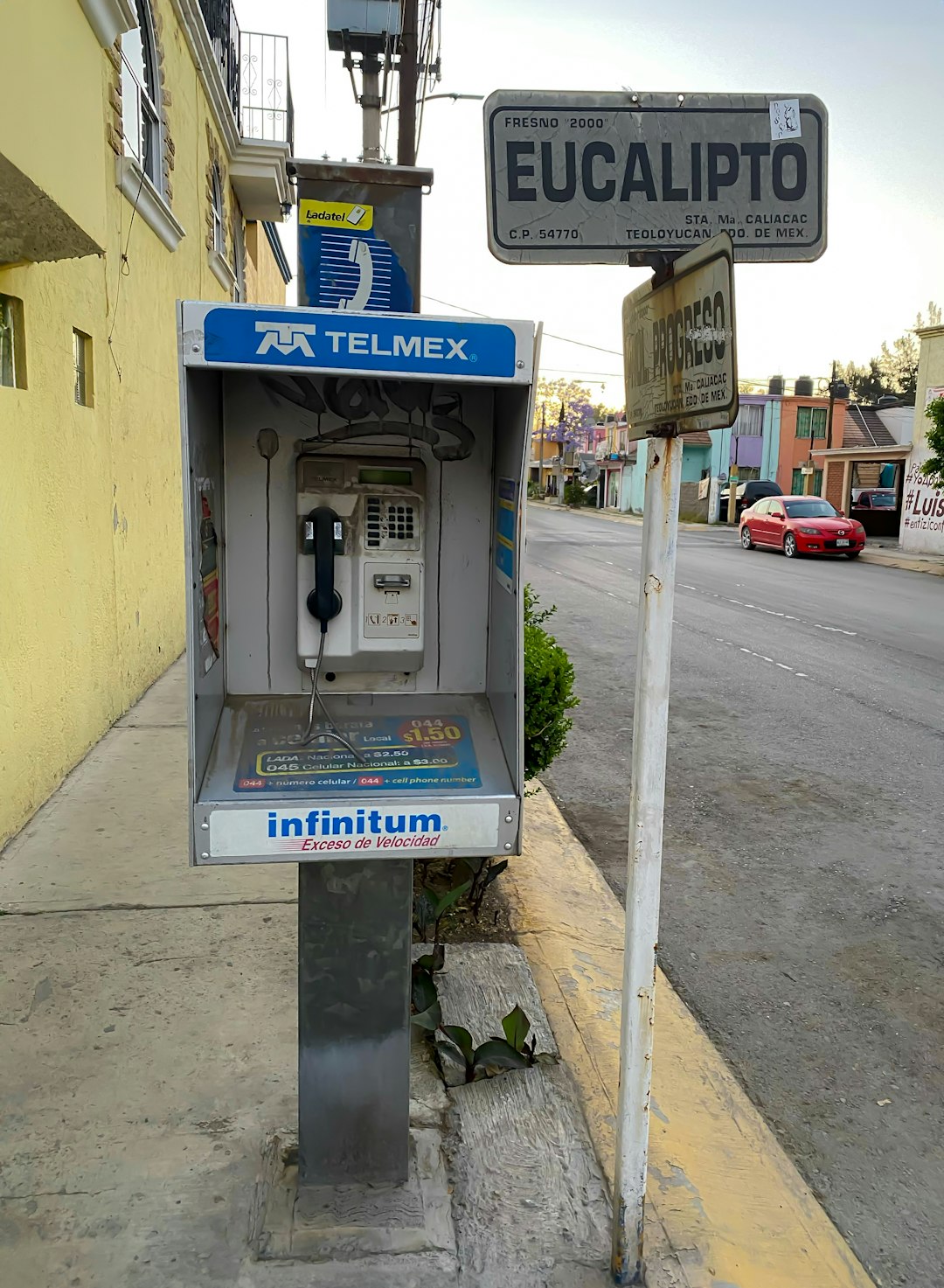
West Greenwich businesses engaged in B2B telemarketing need to navigate a complex web of regulations, with Do Not Call laws being a crucial component. These laws are designed to protect consumers from unwanted calls, but they also present significant challenges for companies trying to grow their customer base through telephone outreach. In Rhode Island, where the state's Do Not Call attorney plays a vital role in enforcement, businesses must stay strictly compliant to avoid penalties and maintain consumer trust.
For B2B telemarketers, understanding the nuances of these laws is essential. Unlike residential Do Not Call lists, business contacts are not typically opt-in, meaning companies must comply with regulations such as the Telephone Consumer Protection Act (TCPA). This federal law prohibits automated or prerecorded calls to phone numbers on the National Do Not Call Registry unless the caller has explicit consent. Rhode Island's attorney general actively enforces these rules, leveraging fines and legal action against violators. Companies found guilty of TCPA violations can face substantial penalties, with damages awarded based on the number of calls made in violation.
To ensure compliance, B2B telemarketers should implement robust due diligence processes when acquiring business contacts. This includes obtaining proper consent from recipients and maintaining detailed records of call activities. Regular reviews by a Do Not Call attorney Rhode Island can help businesses stay informed about evolving regulations and minimize the risk of costly mistakes. Proactive measures such as investing in advanced calling software that integrates with compliance databases can also streamline the process, allowing companies to focus on building genuine business relationships while adhering to legal requirements.
How to Verify Opt-Outs and Avoid Legal Pitfalls

Verifying opt-outs is a critical aspect of navigating Do Not Call laws, particularly for B2B telemarketing operations in Rhode Island. Businesses must have robust procedures to confirm when a consumer has requested to be removed from their calling lists. Failure to do so can result in significant legal repercussions, including substantial fines and damaged reputational harm. The key lies in implementing accurate opt-out verification processes that adhere to state regulations. One effective method is to cross-reference the customer's contact information with official Do Not Call registries, such as those maintained by the Federal Communications Commission (FCC) and Rhode Island's public registry.
When a consumer calls or emails requesting to be removed from marketing lists, businesses should immediately process the request. This includes updating internal records and ensuring all sales and marketing teams have been notified of the opt-out. For instance, a Do Not Call attorney in Rhode Island recommends maintaining detailed records of all opt-outs, including dates, communication methods, and specific requests. By documenting these interactions, companies can demonstrate their compliance efforts if faced with regulatory scrutiny. Furthermore, leveraging technology solutions like automated opt-out management systems can streamline this process, ensuring accuracy and reducing the risk of human error.
Regular audits are essential to maintain compliance. Conducting periodic reviews of call records and consumer feedback mechanisms allows businesses to identify potential opt-out oversights or fraudulent requests. For example, analyzing call transcripts for patterns of repeated opt-outs from a single number may indicate system issues or malicious activity. Staying vigilant and proactive in these areas not only protects against legal pitfalls but also fosters stronger customer relationships by demonstrating respect for individual privacy preferences.
Best Practices for Respectful and Effective Cold Calling

West Greenwich, like many areas, is subject to Do Not Call laws, particularly for B2B telemarketing activities. Respecting these regulations while navigating cold calling requires a delicate balance between achieving sales goals and maintaining customer privacy. A single misstep can lead to legal repercussions or damaged client relationships. Therefore, it's crucial to implement best practices that ensure compliance and foster positive interactions.
One of the most effective strategies is thorough research and preparation. Before making any calls, compile a comprehensive list of potential contacts, ensuring they are not registered on the National Do Not Call Registry. Verify the accuracy of your data regularly, as registration status can change. Additionally, segmenting your target audience based on demographics or past interactions allows for more personalized approaches, increasing the likelihood of a positive response. Customizing each call demonstrates respect for the recipient's time and privacy.
Communication is key to successful cold calling. Train your telemarketing team to initiate conversations with open-ended questions that encourage dialogue rather than push a product or service immediately. Active listening is equally vital; pay close attention to what the prospect says, both verbally and nonverbally, to tailor your pitch accordingly. Be transparent about the purpose of the call while providing clear value propositions. For instance, highlighting how your business solution can address specific industry challenges faced by the prospect can make your offer more appealing.
According to a study by the Better Business Bureau, 94% of consumers prefer companies that respect their "do not call" requests. To maintain compliance and enhance cold calling effectiveness, West Greenwich-based businesses should prioritize data accuracy, personalized communication, and active listening. By adhering to these best practices, B2B telemarketers can significantly improve response rates while ensuring a positive customer experience, fostering long-term business relationships.
Enforcement and Penalties: What Happens If You Violate Do Not Call Rules?

In Rhode Island, violations of Do Not Call laws can result in significant penalties for businesses engaging in B2B telemarketing. The state's Attorney General's Office actively enforces these regulations, which are designed to protect consumers from unwanted calls and provide them with control over their communication preferences. According to recent data, over 80% of complaints received by the AG's office involve telemarketers who ignore registered Do Not Call status, highlighting the urgency for businesses to adhere strictly to these rules.
Violations can lead to substantial fines, with penalties reaching up to $10,000 per call in some cases. A Do not call attorney Rhode Island is often required to navigate these complex legalities and mitigate potential damages. Besides financial repercussions, companies found guilty of unauthorized calls may face public scrutiny and damage to their reputation. For instance, a prominent case involved a B2B marketing firm that, despite being on the state's Do Not Call list, made thousands of unsolicited calls, resulting in a substantial settlement and negative media coverage.
To avoid such pitfalls, businesses should implement robust internal policies to ensure compliance. This includes verifying consumer consent, maintaining accurate call records, and providing an easy opt-out mechanism for all marketing initiatives. Regular training sessions for employees involved in telemarketing can help foster a culture of awareness and adherence to Do Not Call laws. Additionally, consulting with a specialized legal team to assess and enhance current practices is a strategic move that demonstrates a commitment to ethical marketing and minimizes the risk of costly violations.